Run your tongue across your teeth late in the day and you will often feel it: a faint fuzziness that was not there after brushing. That is dental plaque, and it is the single most important thing standing between most people and a healthy mouth. It forms constantly, it feeds on what you eat, and if it is left undisturbed for long enough it hardens into something you cannot remove yourself. This guide from Footscray Dental Studio explains what plaque is, why it matters, where it accumulates, and the practical routine that keeps it in check.
What Is Dental Plaque?
Dental plaque is a thin, sticky layer of bacteria that develops continuously on the surfaces of your teeth. It is not food debris, although food feeds it. It is a living community of microorganisms held together in a soft film.
Visually, plaque appears as a pale yellow coating, most noticeable near the gumline and in the spaces between teeth. It also collects readily on the chewing surfaces of the molars, where the grooves and pits hold on to food long after a meal has finished.
What surprises most people is the speed. Plaque begins re-forming within hours of brushing, which is why oral hygiene is a daily discipline rather than an occasional effort. You are never removing plaque permanently, only resetting the clock.
How Plaque Forms on Teeth
Plaque formation is a natural part of the oral ecosystem rather than a sign that something has gone wrong. Your mouth is home to many different types of bacteria, most of which live there harmlessly.
Some of those bacteria consume the sugars and carbohydrates in what you eat and drink. As they metabolise those sugars and starches, they release acids as a byproduct. Those acids then attack the enamel, the hard outer layer of the tooth, and gradually weaken it.
The sequence is straightforward:
- Plaque forms on the tooth surface within hours.
- Bacteria in the plaque feed on sugars and starches from your diet.
- They produce acids as they feed.
- Those acids attack the enamel repeatedly.
- The enamel weakens, and over time tooth decay can result.
Each step depends on the one before it, which is why interrupting the cycle early, by physically removing the plaque, is so much simpler than dealing with the consequences later.
Plaque and Tartar: What Is the Difference?
The distinction between plaque and tartar is one of the most useful things a patient can understand.
Plaque is soft. It can be removed at home with proper brushing and flossing. It is disorganised and easy to disturb, provided you actually reach it.
Tartar is hard. When plaque is left in place, minerals from your saliva are deposited into it and it calcifies into tartar, also known as dental calculus. Tartar forms hard deposits that bond firmly to the tooth surface, particularly along the gumline and behind the lower front teeth.
Once that hardening has happened, brushing alone will not remove it. Tartar has to be taken off professionally with dental instruments. Its rough, porous surface also gives fresh plaque somewhere easy to attach, so a layer of tartar makes the next layer of plaque accumulate faster.
That is the key distinction to carry with you: plaque is your responsibility at home, tartar is a job for your dental team.
Why Plaque Is Harmful
Plaque itself is invisible trouble rather than immediate pain. Its effects show up in four main ways.
Tooth Decay
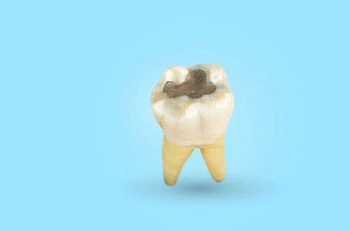
The acids released by plaque bacteria gradually wear down enamel. As the tooth structure weakens, a cavity forms. Preventing plaque build up protects the structural integrity of the tooth, and a tooth that keeps its natural structure is almost always the better long-term outcome. Our guide to tooth cavities, their symptoms, causes and prevention explains how decay progresses and what the early warning signs look like.
Gum Disease
Plaque that sits along the gumline irritates the gum tissue. The result is inflammation, and often bleeding when you brush. Left untreated, that early inflammation can progress to periodontal disease, which affects the bone supporting the teeth. Healthdirect has reliable general information on how gum disease develops and what it involves.
Tooth Loss
Advanced gum disease, combined with untreated plaque accumulation, may eventually result in tooth loss. This is the end point of a long process rather than a sudden event, which is precisely why the earlier stages deserve attention.
Bad Breath
Plaque bacteria produce odorous sulphur compounds as they break down food particles and proteins. This contributes to halitosis, and it is one of the reasons persistent bad breath rarely responds to mouthwash alone.
Where Plaque Often Builds Up
Plaque is not distributed evenly across your teeth. It concentrates in the places that are hardest to clean, which are also, unhelpfully, the places people tend to rush.
The most common accumulation sites are:
- The gumline, where the tooth meets the gum tissue.
- Interproximal spaces, the contact areas between adjacent teeth.
- The chewing surfaces of the molars, with their deep grooves and pits.
- Around dental restorations, including the margins of fillings and crowns.
- Rough patches of enamel, where the surface is not perfectly smooth.
Rough enamel and the edges of older fillings give plaque something to grip, so it adheres more easily there and takes more deliberate effort to remove. If you have restorations, it is worth asking your dentist to show you exactly where to angle the brush around them.
Signs of Plaque Buildup
Plaque gives several signals before it causes lasting damage:
- A fuzzy or furry sensation on the tooth surfaces
- Gums that bleed when you brush
- Persistent bad breath that returns quickly after cleaning
- Red, tender or irritated gums
- Early gum recession, where the gumline appears to be pulling back
Identifying these signs early meaningfully reduces the risk of more serious dental problems later. Sensitivity sometimes accompanies gum recession, and our article on sensitive teeth covers why exposed root surfaces react so sharply to cold.
How to Remove Plaque at Home
Removing plaque is mechanical work. It has to be physically disrupted, which means no rinse or tablet can do the job on its own.
Brush Your Teeth Regularly
Brush at least twice daily with a fluoride toothpaste. Regular brushing removes plaque before it has the chance to harden into tartar, which is really the whole point of the exercise.
Use a soft-bristle toothbrush. Hard bristles do not clean better, and over time they can damage enamel and irritate the gum tissue. Some people find an electric toothbrush gives them more consistent plaque removal, particularly if they tend to rush or have limited dexterity, though a manual brush used well is perfectly effective.
Floss Daily
Flossing is not an optional extra on top of brushing. It is the only part of the routine that reaches the interproximal surfaces between your teeth, where bristles simply cannot go. Those surfaces represent a substantial proportion of your total tooth area, and they are where a great many cavities and gum problems begin.
Rinse With Mouthwash
Some mouthwash formulations contain ingredients that help reduce bacterial load and slow plaque formation. A rinse is a useful supplement to brushing and flossing, not a substitute for either. If you are unsure which type suits you, ask at your next visit rather than choosing on packaging alone.
Professional Plaque Removal
Once plaque has hardened into tartar, home care is no longer sufficient. Removing those deposits safely requires dental instruments and training, and attempting it yourself risks damaging both enamel and gum tissue.
A professional clean typically involves:
- Removing plaque and tartar deposits from the tooth surfaces and along the gumline
- Polishing the teeth to smooth the surfaces and lift surface staining
- Assessing the gums for signs of disease, including pocket depths and bleeding points
The result is healthier gum tissue and a reduced chance of the complications described above. A check-up and clean at Footscray Dental Studio covers all three, and where the gums show signs of established disease, our gum disease care goes further with treatment aimed at the tissue below the gumline.
How Often Should You Visit the Dentist?
Regular dental visits are a core part of maintaining good oral health, not simply a formality. Routine appointments generally combine a dental check-up, a preventive examination and a professional clean.
The real value is early identification. Plaque-related problems develop quietly, and a small area of decay or a slightly inflamed pocket is far easier to manage than the same problem discovered two years later. Six months is the usual starting interval for adults, adjusted up or down according to your individual risk and your dentist's assessment.
Why Some People Get More Plaque Than Others
Two people can follow near-identical routines and end up with very different amounts of plaque. Several factors explain the gap.
Saliva. Saliva naturally rinses away food particles and supports the mouth's own cleansing process. When saliva flow is reduced, plaque forms more readily. Dry mouth can result from dehydration, habitual mouth breathing, or the side effects of common medications, and it is worth mentioning to your dentist if you have noticed it.
Tooth alignment. Crowded, overlapping or tightly spaced teeth create areas that are genuinely difficult to clean. Plaque accumulates more readily in tight interproximal spaces and along the gumline where a brush cannot sit flush against the tooth.
Dental appliances and restorations. Orthodontic brackets, retainers, crowns and fillings all introduce edges and small spaces where plaque can attach. None of this is a reason to avoid them, but it does mean cleaning around them needs to be more thorough and more deliberate.
Oral care habits. Technique, duration and consistency all matter. How you angle the brush, how long you spend, and whether you floss regularly have a much larger effect on plaque removal than which toothpaste you buy. A dental visit can identify the specific areas where plaque collects on your teeth and guide you towards better practice in those spots. If cleaning has slipped for a while, our article on poor oral hygiene looks at the longer term consequences and how to turn things around.
Diet and Dental Plaque
Plaque bacteria thrive on sugars and carbohydrates. The more often you eat sugary or starchy foods, the more acid those bacteria produce, and the more time your enamel spends under attack.
A few sensible adjustments help:
- Limit sugary foods and drinks, and be particularly mindful of frequency between meals
- Choose more nutritious options where you can, including cheese, nuts and vegetables
- Keep your overall diet balanced rather than focusing only on avoiding sugar
- Drink water after meals to help rinse away residue
Reducing sugar intake lowers the risk of tooth decay, and it does so without requiring anything elaborate. Small changes in timing often achieve as much as large changes in quantity.
Can Natural Methods Help With Plaque Control?
It is a fair question, and it comes up often. Certain natural ingredients, including some essential oils and baking soda, may offer modest support for cleaning when used appropriately and in moderation.
The important caveat is that they do not replace anything. These methods should sit alongside regular brushing, daily flossing and professional dental care, not in place of them. Some abrasive home remedies can also damage enamel if used too vigorously or too often, so it is worth checking with your dentist before making one a daily habit.
Where plaque build up is severe or persistent despite a good routine, that is a signal for professional evaluation rather than a stronger home remedy. Individual suitability always depends on an assessment of your particular mouth.
Final Thoughts
Plaque is a natural component of the oral environment, and also a potentially harmful one. It forms continuously from the mixture of bacteria, saliva and food particles present in every mouth, which means it can be managed but never permanently eliminated.
When it is not removed effectively, the consequences follow a predictable path: tooth decay, gum disease and, in the long run, the possibility of tooth loss. When it is removed consistently through daily brushing, daily flossing and regular dental visits, plaque stays a manageable background fact rather than a problem.
For patients across Footscray, Yarraville, Seddon and the rest of Melbourne's inner west, the combination that works is simple enough: healthy daily habits at home, and a professional clean at the interval that suits your mouth.