
A spoonful of ice cream, a hot cup of tea, a deep breath on a cold Melbourne morning: for people with sensitive teeth, everyday moments like these come with a sharp, unwelcome jolt. Tooth sensitivity is one of the most common complaints we hear at Footscray Dental Studio, and the good news is that it is very manageable once you know what is driving it. This guide explains why sensitive teeth hurt, the most common causes, how dentists diagnose the problem, and the treatments (both at home and in the dental chair) that calm things down.
What Is Tooth Sensitivity?
Tooth sensitivity happens when the dentine, the layer beneath your tooth enamel, becomes exposed and comes into contact with hot or cold food, causing a short, sharp pain. Dentine is not solid like enamel; it is laced with thousands of tiny tubules that extend inward towards the nerve centre of the tooth. When dentine is exposed, temperature changes travel down those tubules and stimulate the sensitive nerves inside, and you feel it as a sudden twinge of discomfort.
Picture the tooth in layers. On the outside sits enamel, the hardest substance in the human body, which feels nothing at all. Beneath it lies dentine, and at the core is the pulp, home to the tooth's nerve supply. As long as the enamel and gums are intact, that nerve is well insulated. Sensitivity is what happens when the insulation fails somewhere.
It is worth knowing that sensitivity is not always just a matter of worn enamel. Other, sometimes more serious, dental problems can trigger the same sensation, from early decay to a hairline crack, which is why persistent sensitivity deserves proper attention rather than a shrug. Treating it as background noise is how a small, fixable problem quietly becomes a big one.
Common Causes of Sensitive Teeth

Sensitivity rarely appears without a reason. In practice, it almost always traces back to one of four broad culprits: worn enamel, receding gums, recent dental treatment, or damage and decay within the tooth itself. Here is how each one works.
Enamel wear and erosion
Enamel wear is the primary cause of tooth sensitivity. Enamel is the hard, protective outer coat of the tooth, and once it erodes, the inner dentine is left exposed to external temperature stimuli. Enamel does not grow back, so the causes of wear are worth taking seriously. Two of the biggest drivers are diet and grinding.
Acidic foods and drinks. An occasional acidic drink (a coffee, a soft drink, a sports drink, even the odd pina colada) is perfectly acceptable. The trouble is regular consumption. Frequent acid exposure significantly increases the risk of enamel damage, gradually weakening and thinning the enamel until the teeth become vulnerable to sensitivity.
Bruxism. Grinding or clenching your teeth during the night wears the enamel down gradually, and the constant pressure can also cause the teeth to shift away from the gums over time. Both effects, thinner enamel and receding gum coverage, trigger sensitivity. Many grinders have no idea they do it, which is one reason sensitivity sometimes seems to appear out of nowhere. Telltale signs include waking with a tight jaw, flattened tooth edges, or a partner who has heard the grinding overnight.
Gum recession
When gums recede, they expose the tooth roots, which are covered by only a very thin layer of protective material compared with the crown of the tooth. Exposed roots make teeth noticeably sensitive to hot and cold foods, and the sensation is often felt right at the gumline rather than across the whole tooth. Recession creeps in gradually, so many people only notice it once sensitivity arrives. It has several common causes.
Gum disease. Unattended gum disease leads to ongoing inflammation, and over time the gum tissue diminishes, exposing more of the tooth to cold food and drink. Treating the underlying inflammation matters here, and professional gum disease care is designed to do exactly that before recession progresses.
Aggressive brushing. Brushing too fast or too hard does more harm than good. It aggravates sensitivity by damaging both the enamel and the gum tissue, and the longer the hard brushing continues, the more sensitive the teeth progressively become. If your toothbrush bristles splay outward within weeks, you are almost certainly brushing too hard.
Age-related changes. Some gum recession is simply associated with getting older. Teeth undergo natural wear and tear over the years, and weakened enamel and gums can lead to sensitivity appearing later in life even in people who have always cared for their teeth well. Our post on preventing gum recession with effective daily habits covers practical ways to slow this process down.
Dental procedures
Temporary sensitivity after dental treatment is common and usually nothing to worry about. A newly treated tooth needs time to heal and adapt, and during that window sensitivity can appear.
Fillings. Some patients experience sensitivity after a filling, particularly to cold temperatures, while the tooth settles. The drilling and placement process can leave the nerve mildly irritated for a short period, and the sensation usually fades as the tooth adapts to its new restoration.
Teeth whitening. The bleaching agents used in whitening products can cause temporary sharp discomfort when they make contact with exposed dentine. This typically eases within days of treatment.
Dental cleaning. A little sensitivity to hot or cold liquids after a professional clean is common, especially where a layer of tartar had been covering root surfaces and is suddenly gone. It is typically short-lived, resolves independently over time, and is a poor reason to skip the clean, since the tartar itself was doing far more harm than the brief sensitivity does.
Tooth damage or decay
When the structure of a tooth is compromised, irritants have a direct path to the nerve-containing centre of the tooth, and sensitivity is often the first sign.
Cracked tooth. Small cracks from injuries or knocks can trigger sensitivity, particularly during chewing, and often long before any damage is visible.
Early-stage cavities. Cavities undermine the integrity of the enamel, allowing cold liquids and foods to make direct contact with the dentine. That contact produces the classic sensitivity pain, and it is often the earliest warning that decay has started. Caught at this stage, a cavity is a small and simple fix; ignored, it heads steadily towards the nerve.
What Are Tooth Sensitivity Symptoms?
Sensitivity announces itself in a few characteristic ways. Recognising the pattern, which foods set it off, where in the mouth it strikes and how long it lasts, helps you and your dentist work out what is going on well before any examination begins.
Sharp pain with cold or hot food
This is the most common indicator of sensitivity. A sharp pain or twinge occurs when you eat or drink something at a temperature extreme, because the exposed dentine transmits the temperature difference straight to the sensitive nerves. The discomfort is typically brief, fading within seconds once the trigger is gone, but it can escalate over time if the underlying cause is not addressed, gradually reacting to milder and milder temperatures.
Discomfort while brushing and flossing
Some people feel sensitivity mainly during their oral hygiene routine rather than at mealtimes. The pain is usually localised at the gumline, which suggests the gums have moved away from their original position and left root surfaces exposed to the bristles and floss. Aggressive brushing intensifies this discomfort, creating an unfortunate cycle where the brushing habit causing the problem also makes it hurt more.
Sensitivity to acidic or sweet foods
A tingling sensation when you eat sweet or citrus foods is another sign of sensitivity. It occurs when the enamel has been thinned by decay or erosion, allowing food pigments and sugars to interact with the exposed dentine underneath. Because sweetness rather than temperature is the trigger here, this pattern often points towards early decay and is worth flagging with your dentist.
Lingering Sensitivity vs Short-Term Sensitivity
Not all sensitivity means the same thing, and how long the discomfort lasts after the trigger is removed is one of the most useful clues a dentist has when working out what is happening inside the tooth.
Short-term sensitivity. Pain that lasts just a few seconds after a cold drink or a sweet bite suggests common tooth sensitivity: uncomfortable, but usually manageable with the right home care.
Lingering sensitivity. Discomfort that is frequent, persistent or hangs around well after the trigger has gone points to a distinct underlying dental issue, such as decay or nerve inflammation. Lingering sensitivity warrants a prompt professional consultation rather than a wait-and-see approach. If the sensation has tipped over from twinges into genuine pain, our tooth pain relief guide explains what helps in the short term and when to be seen urgently.
How Dentists Diagnose Teeth Sensitivity in Australia
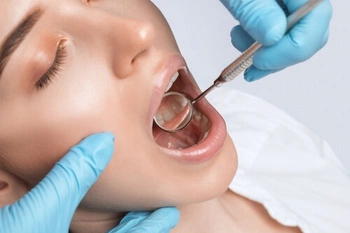
Because so many different problems can produce the same twinge, diagnosis is a process of narrowing down. You cannot reliably self-diagnose the cause of sensitivity at home, and treating the wrong cause wastes both time and money. Here is what to expect at a professional assessment.
Clinical examination
Your dentist will examine your dental structures in detail: the teeth, the gums and the surrounding tissues. They will check for enamel wear, gum recession, decay and worn or failing restorations. To pinpoint exactly which tooth is sensitive, they may use a gentle puff of air or a controlled temperature stimulus and watch for your reaction. It is momentarily uncomfortable but tells them precisely where the problem lies.
Medical and dental history
Expect a series of questions: when the sensitivity started, what seems to trigger it, whether you have had any recent dental treatment, how consistent your oral hygiene routine is, and whether you grind or clench your teeth, particularly at night. Clear answers give your dentist a comprehensive picture of the extent of the problem, so it is worth paying attention to your symptoms for a few days before your appointment.
Identifying the sensitivity cause
After the examination, your dentist may provide something for temporary relief, but the real goal is pinpointing the root cause. Is it enamel erosion from an acidic diet? Recession from decades of enthusiastic brushing? An early cavity that has not yet shown itself? Each of these calls for a different response. Once the cause is identified, your dentist will propose a treatment plan along with clear instructions for managing the sensitivity day to day. Because causes differ so much between patients, and often overlap, the right plan is always based on your individual assessment, and results vary from person to person.
Tooth Sensitivity Treatment Options in Australia
Treatment falls into two broad groups: things you can do at home, and things your dentist can do in the clinic. Most people do best with a combination.
Tips to manage sensitive teeth at home
Desensitising toothpaste. These toothpastes contain ingredients that block the nerve signals over time. Once the nerves are desensitised, the sharp twinges with hot and cold food and drink settle down. Be patient though: the desensitising process is gradual, not something you feel immediately after one brush, and it requires consistent daily use over weeks to work. Swapping brands every few days because nothing has changed yet is the most common reason people conclude, wrongly, that these toothpastes do not help.
Correct brushing technique. Use a soft-bristled toothbrush exclusively, and move it gently across the teeth in small, unhurried strokes. Gentle brushing prevents further irritation of the gums and avoids adding to the enamel wear that caused the problem in the first place. Pressure, not effort, is the enemy here.
Dietary adjustments. Cutting back on soft drinks, citrus fruits and sports drinks removes the most common sensitivity triggers, protects the remaining enamel and stops food acids and pigments reaching the sensitive nerves through exposed dentine. You do not need to give these things up entirely; reducing frequency and rinsing with water afterwards makes a real difference on its own.
In-clinic dental treatments
Fluoride varnishes. Your dentist can apply a fluoride varnish to the enamel surface to strengthen it, protect exposed tooth surfaces and reduce sensitivity triggers. Professional fluoride treatments are quick, comfortable and often repeated periodically for lasting benefit.
Bonding or sealants. Where a specific surface is exposed, professionally applied bonding agents or sealants cover the area, lessening nerve stimulation and the discomfort that comes with it. Think of it as replacing the insulation that wear or recession stripped away.
Gum recession treatments. When gum recession is the cause, targeted gum treatments help shield the exposed roots, and that protective effect reduces discomfort over time. Managing any active gum disease is usually the first step, and your dentist can discuss the appropriate options for your degree of recession.
How Long Does the Sensitivity Last?
How long sensitivity hangs around depends almost entirely on what is causing it, but broadly it falls into two camps.
Temporary sensitivity is the most prevalent type, and it typically lasts anywhere from a few days up to two to four weeks. Post-treatment sensitivity and mild irritation usually fall into this category and settle with simple home care and a little patience.
Chronic sensitivity persists over several months and may worsen with time if untreated. Left unaddressed, it can progress to severe pain and real day-to-day discomfort, which is why sensitivity that keeps returning should be professionally assessed rather than endlessly managed with toothpaste alone. Chronic sensitivity usually means an ongoing cause, active decay, progressing recession or nightly grinding, that will not resolve until it is treated directly.
Can Tooth Sensitivity Be Prevented?
Very often, yes. You cannot control every factor (age-related changes, for instance, come for all of us), but the majority of sensitivity is the result of habits that can be adjusted. Prevention comes down to consistent daily routines that protect both enamel and gum tissue:
- Brush twice daily, gently, with a soft-bristled toothbrush and correct technique
- Floss daily to prevent gum inflammation and recession, and to remove the debris between teeth that would otherwise feed decay
- Replace your toothbrush every three months, since the bristles fray and lose their effectiveness in about that timeframe
- Choose a desensitising toothpaste containing potassium nitrate or stannous fluoride
- Reduce your intake of acidic foods and drinks such as soft drinks, citrus and sports drinks
- Keep up regular dental check-ups, where sensitive areas can be caught early and managed with preventive care and sensible dietary guidance before they progress
Regular check-ups and cleans are the backbone of this list, because most causes of sensitivity, from early decay to gum inflammation to grinding wear, are visible to a dentist long before they become painful. Bottom teeth are often the first place these problems show up; if that sounds familiar, our guide on why bottom teeth hurt digs into the reasons.
Seek Expert Assistance Today
Tooth sensitivity that keeps hanging around should be professionally evaluated rather than endured. Plenty of people put up with years of careful sipping and single-sided chewing for a problem that could have been sorted in a visit or two. Expert assessment identifies the root cause, and in most cases the treatment that follows is straightforward and affordable. At Footscray Dental Studio on Barkly St, we use modern diagnostic technology to find what is actually driving your sensitivity, treat the cause rather than just the symptom, and give you practical preventive advice, including the dietary tweaks that reduce future triggers. Patients visit us from across Footscray and the inner west, including Yarraville, Seddon and Maribyrnong, and every treatment plan starts with a thorough individual assessment.
Frequently Asked Questions
How can I alleviate tooth sensitivity?
Use a desensitising toothpaste every day, brush gently with a soft-bristled toothbrush, and limit acidic foods and drinks. Avoid brushing immediately after consuming something acidic, as the enamel is temporarily softened, and keep up good general oral hygiene. If the sensitivity persists despite these steps, see your dentist, because it may indicate an underlying issue.
How do you cure a sensitive tooth?
An at-home "cure" is not always possible, but sensitivity is very much a manageable and treatable condition. Start with desensitising toothpaste, gentle brushing with a soft toothbrush, and a reduced intake of acidic food and drink. If the sensitivity persists, your dentist can treat the underlying cause, whether that is decay, gum recession or enamel wear.
What causes random tooth sensitivity?
Seemingly random sensitivity can come from early tooth decay, minor cracks, enamel wear, gum recession, sinus pressure, recent dental work or teeth grinding that is gradually wearing the enamel. Sudden temperature changes then reach the exposed dentine and trigger the twinge. Random sensitivity can be an early signal of a developing dental issue that is not yet visible or painful, so it is worth mentioning at your next check-up.
Can a sensitive front tooth heal on its own?
Mild sensitivity in a front tooth may improve with desensitising toothpaste and a gentler brushing technique, especially if overbrushing was the cause. Persistent sensitivity, however, usually needs a dental assessment to rule out decay, a crack or gum recession.
Is tooth sensitivity normal after a filling?
Yes, mild sensitivity after a filling is common and typically temporary, because the tooth nerve needs time to settle. You may notice it when eating hot, cold or sweet foods, or when biting down, and it usually improves gradually over a few days to two weeks. If it lasts beyond two weeks or is getting worse, have your dentist examine the filling.