
Most of us know we should brush twice a day and floss. What is less widely understood is how much rides on it. Poor oral hygiene does not stay politely confined to your teeth: it changes the bacterial balance of your mouth, inflames your gums, and, according to a growing body of research, may have something to say about your general health as well. This guide from the team at Footscray Dental Studio explains what actually happens when cleaning slips, what the evidence does and does not show, and the practical steps that make the biggest difference.
Quick Overview
Poor oral hygiene simply means the teeth and gums are not being cleaned thoroughly or often enough, which allows plaque, bacteria and tartar to build up on the tooth surfaces and along the gumline. It is not a moral failing and it is far more common than most people assume.
It can affect adults of any age. Some people are more susceptible than others: those living with diabetes, and anyone whose mouth runs dry because of medication or a medical condition, tend to develop problems faster than average.
Treatment usually involves three things working together: a professional clean to remove what home care cannot, a revised daily routine tailored to your mouth, and an honest look at the contributing factors behind the build up. How the problem presents, and how quickly it progresses, depends on how much plaque has accumulated, how long the neglect has been going on, and what else is happening with your general health. Recognising the early symptoms, having a professional assessment, and being frank with your dentist about your daily habits are what set the initial care pathway.
What Happens When Oral Hygiene Is Neglected?
Plaque is a soft, sticky film of bacteria that forms continuously on your teeth. When brushing and flossing are inconsistent, it accumulates on the tooth surfaces and, most importantly, along the gumline where the tooth meets the gum tissue.
Given time, that soft plaque takes up minerals from your saliva and hardens into tartar (also called calculus). Once that happens, brushing at home will not shift it. Tartar has a rough surface that attracts still more plaque, so the problem tends to build on itself. Our guide to dental plaque covers how quickly this film re-forms and where it likes to hide.

The bacteria sitting against the gum tissue irritate it, and the body responds with inflammation. The earliest stage of this is gingivitis: gums that look puffy or red and that may bleed a little when you brush. Many people dismiss bleeding gums as normal, or assume they are brushing too hard. Usually the opposite is true, and the bleeding is a signal worth acting on, because gingivitis at this stage is very often reversible.
If gingivitis is left alone, it can progress to periodontal disease (periodontitis), a more serious infection that damages the bone and soft tissue holding your teeth in place. This matters because that supporting structure does not grow back. Periodontal disease is recognised as a leading cause of tooth loss in adults, and the Better Health Channel has useful general information on how it develops.
There is a further consideration. Bacteria from an established gum infection can enter the bloodstream, which is the mechanism most often proposed to explain why gum health and general health appear connected. That said, individual outcomes vary a great deal. Genetics, diet, smoking status and existing health conditions all influence how a particular person's mouth responds to the same amount of plaque.
What Does the Research Say About Poor Oral Hygiene and Systemic Health?
Research over the past two decades has pointed repeatedly to a close relationship between the mouth and the rest of the body, particularly where active oral disease is present. A growing evidence base links poor oral health with heart disease, diabetes, respiratory illness and stroke.
A 2023 systematic review published in Cureus described periodontal disease as a chronic inflammatory condition that may contribute to systemic inflammation more broadly, and reported a significant correlation between periodontal disease and cardiovascular disease outcomes.
It is worth being careful about what that means. An association is not the same as proof of direct causation in every case. People with untreated gum disease may share other risk factors, such as smoking, that independently affect the heart. The research in this area is still developing, and individual risk varies considerably from person to person. What can reasonably be said is that keeping your gums healthy is a sensible part of looking after your general health, and that it costs very little to do. Healthdirect Australia provides a plain-English summary of gum disease and its consequences.
What Affects Oral Health?
Several everyday factors influence how much plaque builds up and how your mouth copes with it.
- Inconsistent brushing and flossing. When food particles and plaque are not cleared away thoroughly, bacteria have a steady food supply and thrive. Skipping the spaces between teeth is the most common gap in an otherwise good routine.
- A diet high in sugar. Frequent exposure to sugary foods and drinks feeds the bacteria responsible for decay and plaque build up. Frequency matters as much as quantity: sipping a soft drink across an afternoon is harder on your teeth than drinking it in one sitting.
- Dry mouth. Saliva neutralises acid and washes bacteria away. When saliva flow is reduced, whether by medication, a medical condition or simple dehydration, that protection weakens and the risk of decay and gum disease rises.
- Smoking. Smoking is associated with reduced healing capacity in the gums and a higher risk of periodontal disease. It can also mask bleeding, so problems progress more quietly.
- Blood sugar levels. Elevated blood sugar in people with diabetes weakens the body's ability to fight oral infections, and the relationship runs in both directions.
- Stress. Research suggests that sustained stress reduces immune function, which may in turn affect how the body responds to oral bacteria.
- Infrequent dental visits. Many oral problems develop gradually and without obvious discomfort until they are well advanced. That is precisely why they are so easy to miss at home.

Decay is the other consequence of plaque that sits undisturbed, and it often arrives without warning signs. If you would like to understand how cavities form and what the earliest indications look like, our article on tooth cavities, their symptoms, causes and prevention goes through it step by step. A persistent unpleasant smell can also be a clue that something is going on beneath the surface, which we cover in our piece on tooth decay and smell.
How to Support Good Oral Hygiene
None of the following is complicated, and consistency counts for far more than perfection.
- Brush twice daily with a fluoride toothpaste, for at least two minutes each time. Most people underestimate two minutes considerably, so it is worth timing yourself once to calibrate.
- Clean between your teeth every day with floss or interdental brushes. A toothbrush physically cannot reach the surfaces between teeth, and those surfaces are where gum problems most often begin.
- Limit sugary snacks and drinks, especially between meals when saliva has less chance to recover.
- Drink tap water where you can. Most Victorian tap water is fluoridated, which supports enamel strength throughout the day.
- Avoid smoking. Of all the changes on this list, this one tends to have the largest effect on gum health.
- See your dentist for a check-up and scale at the interval your dental team recommends for you.
- Seek a professional assessment if you notice swollen gums, persistent bad breath, bleeding when you brush, or new sensitivity. These are early signals, not minor annoyances.
Outcomes differ between individuals, and what is appropriate for your mouth can only be determined through a proper clinical review. Some people maintain excellent gum health on a simple routine; others need more support. The Australian Dental Association publishes general guidance on oral hygiene that reflects this individual variation.
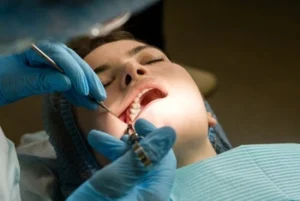
A Considered Approach to Oral Health at Footscray Dental Studio
Oral health sits at the intersection of three things: what you do daily, what is happening with your general health, and the professional care you receive. Research continues to reveal how closely the mouth and the body are connected, which is a good reason to address hygiene concerns early rather than waiting for them to announce themselves loudly.
Footscray Dental Studio is on Barkly Street in Footscray, and we look after families from across Melbourne's inner west, including Maribyrnong, Seddon, Yarraville and West Footscray. Our approach is to assess thoroughly and then explain clearly what we have found, so that you understand your own mouth rather than simply being told what to do. That includes routine check-ups and cleans, hygiene appointments, and dedicated gum disease care where the gums need more focused attention.
If you have noticed a change in your gums, your teeth or the general comfort of your mouth, that is a good moment to arrange an appointment rather than wait and see.
Frequently Asked Questions
What are the signs of poor oral hygiene?
The common signs include persistent bad breath, swollen or bleeding gums, visible plaque build up on the teeth, tooth sensitivity and, in advanced cases, loose teeth. Some people notice discomfort when chewing or a sense that their bite feels different. Because most of these signs appear gradually, regular dental check-ups remain the most reliable way to catch them early.
Can poor oral hygiene affect my heart?
There is a recognised connection between gum disease and heart conditions, with ongoing inflammation considered one possible pathway between the two. The strength of that association varies from person to person and the research is still developing. Supporting your gum health is generally regarded as one sensible component of looking after your overall health, rather than a guarantee of any particular outcome.
How often should I get a dental check-up for good oral hygiene?
A six-monthly visit is the widely used starting point for adults. The right interval for you depends on your personal oral health history, any existing medical conditions, and your dentist's assessment of what your mouth needs. Some patients are advised to come more often for a period, others less.