
If you have noticed your teeth looking longer, or a thin line of exposed root peeking out above the gum, you are probably asking the same question we hear every week at our Barkly St practice: is gum recession reversible? The honest answer is more nuanced than a simple yes or no. Gum tissue that has been lost does not simply grow back on its own, but recession can absolutely be stopped, stabilised and, in some cases, treated so that lost coverage is restored. This guide walks through what the evidence actually says, which recovery options exist at each stage, and what a realistic healing timeline looks like.
Understanding Gum Recovery
Before weighing up treatments, it helps to understand the difference between gum recovery and gum reversal. Recovery means stabilising the tissue you still have. It halts the spread of inflammation, protects the teeth that remain well supported, and prevents the gumline from creeping any further. Reversal, on the other hand, would mean regenerating the coverage that has already been lost, and that is a much taller order.
Recovery generally unfolds in stages rather than overnight. First, inflammation is brought under control through improved daily hygiene and professional periodontal care, because inflamed tissue cannot heal or reattach properly. From there, the gums gradually tighten and gain strength, and in favourable cases a small amount of coverage can be reclaimed as swelling settles and the tissue firms up against the tooth. Each stage builds on the last, which is why skipping ahead to cosmetic fixes rarely works.
How far recovery goes depends on two things above all: the underlying cause of the recession, and how early you intervene. Recession driven by gum disease behaves differently from recession caused by years of heavy-handed brushing, and tissue that is treated early responds far better than tissue that has been receding unchecked for a decade. For a full rundown of what drives recession in the first place, see our guide to gum line recession causes and remedies.
Can Gum Tissue Regenerate Naturally?
This is the crux of the question, so let's be direct. Unlike skin, gum tissue cannot regenerate itself naturally. When a cut on your arm heals, new skin cells fill the gap. Gum tissue does not behave the same way. Once the supporting bone and the connective tissues that anchor the gum to the tooth have been lost, the body cannot rebuild them on its own.
That means the best outcome you can achieve without professional treatment is stabilisation of the gumline. The good news is that stabilisation is genuinely worthwhile, and for many patients it is all that is ever needed. By controlling the symptoms of recession, including inflammation, tooth sensitivity and that elongated tooth appearance, you can keep a mild case mild for the rest of your life. What you cannot do is brush, rinse or supplement your way to regrown gums, no matter what some corners of the internet suggest. We cover what home care can and cannot do in more detail in our article on gum recession natural treatments.
Early-Stage Recovery Options (Non-Surgical)
When recession is caught early and its underlying cause is addressed promptly, non-surgical care can be remarkably effective. The focus at this stage is twofold: easing the symptoms you are living with day to day, and creating the healthiest possible conditions for the gum tissue to heal and stabilise naturally.
Better Oral Hygiene Techniques
Ironically, one of the most common causes of recession is the very habit meant to prevent it: brushing too hard. Switching to a soft-bristled toothbrush lets you clean thoroughly while minimising wear along the gumline. Technique matters just as much as the brush. Angle the bristles at 45 degrees towards the gumline and use gentle, small movements. This cleans the area where plaque gathers without the pressure damage that scrubbing causes. Think gentle pressure, never hard pressing against the gums. If the bristles on your brush splay outwards within a few weeks, you are pressing too hard.
Professional Dental Cleaning
Home brushing, however good, cannot remove hardened plaque (calculus, or tartar) once it has set on the teeth. Professional scaling at a check-up and clean removes these deposits from places your toothbrush simply cannot reach, including just below the gumline. This matters because plaque buildup is loaded with bacteria that interact with the gum margin, causing irritation and accelerating recession. Removing the tartar relieves that inflammation and gives the gums clean, healthy conditions in which to heal and reattach snugly around each tooth.
Desensitising and Remineralising Treatments
Exposed root surfaces are not protected by enamel, which is why receded areas often sting with hot or cold foods. Two approaches help here. Professional fluoride treatments fortify the exposed root surface, making it more resistant to both sensitivity and decay. At home, a desensitising toothpaste designed for exposed roots blocks the nerve pathways within the exposed dentine and supports remineralisation of the surface. Together they prevent the sudden twinges triggered by a cold drink or a hot cuppa, which makes recovery far more comfortable and helps you keep up gentle, consistent brushing around the affected area. If sensitivity is your main complaint, it is worth reading up on the other causes too.
Lifestyle Changes That Support Gum Recovery
Your gums heal in the context of your whole body, so daily habits carry real weight:
- Cut back on smoking. Reducing smoking frequency improves blood flow to the gum tissue, and healthy circulation is essential for gums to repair and defend themselves. Quitting entirely is better still.
- Manage grinding and clenching. If you grind your teeth at night, a custom-fitted mouthguard absorbs the impact forces that would otherwise be transferred to your teeth, supporting bone and gums.
- Eat for tissue repair. A diet rich in vitamin C, vitamin D, calcium and antioxidants supports tissue repair, fortifies your immune defences and speeds recovery, while helping to prevent the inflammation that drives future recession.
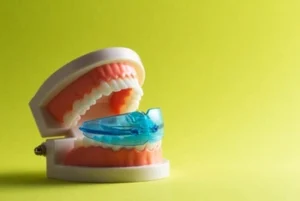
For a more detailed daily routine, our guide to preventing gum recession breaks these habits down step by step.
Surgical Treatments for Gum Recession Reversal
When recession has advanced beyond the point where non-surgical methods are effective, a dentist or periodontist may recommend surgical treatment. This is the only route that can genuinely restore lost gum coverage. Performed by an experienced clinician, grafting procedures re-cover exposed tooth roots, protect them from decay and wear, and support long-term oral health. Footscray Dental Studio does not perform gum grafting, but we can assess your gums, manage the periodontal side of your care and discuss whether a referral for surgical assessment is the appropriate next step.
Gum Grafting Procedures
Two grafting techniques are commonly used:
- Connective tissue graft. Tissue is taken from a donor source and placed over the exposed root area. This thickens the gum margin and increases root coverage, and it is generally considered to give the most natural-looking result.
- Free gingival graft. A small piece of tissue is taken directly from the roof of the mouth and attached to the recessed area. This improves gum coverage and, importantly, thickens thin tissue so that further recession is impeded.
Which technique suits you, and whether grafting is appropriate at all, depends on individual assessment of your gums, your bite and your overall oral health. Results vary from person to person.
Recovery Timeline After Gum Recession Treatment: What to Expect
Whether your treatment is a deep professional clean or a surgical graft, understanding the recovery process helps you set realistic expectations and follow post-treatment instructions more diligently, which in turn protects your result. No two mouths heal at exactly the same speed. Healing pace is influenced by the severity of the original recession, your past oral health history, the type of treatment performed and the expertise of the periodontist carrying it out. The stages below describe a typical course after grafting, though your own clinician's advice always takes precedence.
Healing Stages of Treatment
- First few days. Mild swelling, tenderness and a feeling of tightness are completely normal. Stick to soft foods and practise gentle oral care around the treated area.
- Weeks 1 to 2 (early tissue stabilisation). The gum tissue strengthens and begins settling into its new position along the gumline. If a graft was placed, sutures are usually removed in this window. Visible redness reduces and comfort improves noticeably. Avoid hard brushing and chewing pressure on the area so healing is not disrupted.
- Weeks 3 to 6 (functional healing). The gums become firmer and more stable around the tooth. Most patients return to a near-normal oral care routine, with slight modifications, and the treated area continues knitting into its supporting structure.
- Months 2 to 3 and beyond. The final tissue contours take shape. Gum colour and texture continue to improve until the treated area blends naturally with the surrounding gum, and the signs of long-term stability become clear.
Final Words
So, is gum recession reversible? Lost tissue will not regrow by itself, but recovery is absolutely possible with the right combination of professional periodontal treatment, a consistent and gentle oral care routine, and a diet that supports tissue health. Where coverage genuinely needs to be restored, grafting performed by a periodontist can achieve it. The two things every successful recovery has in common are patience and consistency, because gum tissue heals slowly and rewards steady care.
If you are noticing the early signs of recession, the most useful step is a proper assessment. Our team at Footscray Dental Studio cares for gums every day for patients across Footscray, Yarraville and Melbourne's inner west, and we can map your gumline, treat any underlying gum disease and give you a clear, personalised plan.
Frequently Asked Questions
Can receding gums grow back naturally?
Receding gums rarely grow back on their own. Good oral hygiene and preventive care can slow or stop the progression, which is genuinely valuable, but restoring tissue that has already been lost usually requires professional treatment. The earlier recession is caught, the more can be done without surgery.
What treatments are available to reverse gum recession?
Options a dentist or periodontist may recommend include gum grafts, minimally invasive techniques such as the pinhole procedure, and regenerative methods that encourage tissue regrowth. The best approach depends on the severity of the recession and your individual circumstances, which is why a thorough assessment always comes first.
How can gum recession be managed without surgery?
Mild recession can often be managed through improved oral hygiene technique, desensitising and remineralising products, professional cleans and sensible lifestyle changes. These measures help stop further progression and keep you comfortable, though they may not fully restore tissue that has already been lost.
What factors influence recovery after treatment?
Recovery depends on the extent of tissue loss, the quality of your daily oral hygiene, your overall health and how closely you follow post-treatment care instructions. Regular dental check-ups also play a key role in maintaining the result over the long term.
How can further gum recession be prevented?
Brush gently with a soft-bristled toothbrush, floss daily, and keep up regular professional cleans. Address teeth grinding, ideally with a custom night guard, and avoid tobacco. Above all, act early, because intervention at the first signs of recession gives you the widest range of options.