
Rotten teeth are rarely the result of one bad week. They are the end point of a slow process that starts quietly, usually with a bit of sensitivity or a dull ache that is easy to explain away. The encouraging news is that decay can be treated at almost every stage, and the earlier it is caught the simpler and less invasive the fix. This guide from Footscray Dental Studio explains what tooth rot actually is, what causes it, how to recognise it, and exactly how dentists fix rotten teeth at each level of severity.
What Is Tooth Rot?
Tooth rot, more formally called advanced tooth decay, occurs when bacteria break down the structure of a tooth over time. The process is driven by plaque, the sticky film that builds up on teeth and produces acids. Those acids damage the enamel first and then penetrate the deeper layers underneath.
Tooth rot is not a separate condition from ordinary decay. It is what untreated decay becomes. Any tooth can be affected, though molars are more prone than most because their grooved biting surfaces trap food and plaque in places a toothbrush struggles to reach. Left alone, rot frequently leads to infection.
You may hear this described in other ways: rotted teeth, bad tooth decay, or in the most severe presentations, horrible tooth decay. They all describe the same underlying process at different points along its path. If you are trying to work out whether what you are seeing in the mirror qualifies, our guide to what rotten teeth look like walks through the visual stages.
What Causes Teeth to Rot?
Poor oral hygiene
Inadequate brushing and flossing is one of the most common causes of teeth rotting. When plaque is not removed regularly, it builds up along the gum line and in the grooves of the teeth. The bacteria within it produce acids that weaken enamel, and over time that weakening turns into rot. This is seen most often in people who brush infrequently or rush the job, but it also affects those who brush diligently and never floss, since the surfaces between teeth are where decay so often begins.
High sugar consumption
Sugar is a major contributor to tooth rot. The bacteria in plaque feed on sugar and produce harmful acids as a by-product. What matters is not just how much sugar you eat but how often, because frequent snacking keeps the mouth in an acidic state for far longer than a single serving would. That pattern is what produces the condition sometimes described as sugar-rotten teeth.
Dry mouth
Saliva plays a crucial protective role that most people never think about. It neutralises acids, washes away food particles and helps keep the mouth's chemistry in balance. When saliva flow is reduced, whether through medication, a medical condition or dehydration, the risk of rotted teeth climbs noticeably.
Bottle feeding in children (bottle rot)
Bottle rot is a pattern of decay specific to young children. It is caused by prolonged exposure to milk or sugary liquids, and it commonly affects the front teeth. It most often occurs when a child is put to bed with a bottle and falls asleep with the liquid pooling around their teeth. Under the Child Dental Benefits Schedule, eligible children may receive bulk-billed care, and establishing a routine of early dental visits is one of the most useful things a parent can do. Wiping a baby's gums, avoiding sugary drinks in bottles and moving to a cup at around twelve months all help reduce the risk.
Lack of dental care
Skipping routine check-ups allows minor decay to progress into rotten teeth without anyone noticing. Small cavities are usually painless, which is precisely why they are found at examinations rather than reported by patients. Without detection, they simply keep progressing.

Early Signs of Rotting Teeth
Early decay announces itself gently. The signs are easy to dismiss, which is exactly the problem. Watch for:
- Mild sensitivity to hot, cold or sweet foods
- Persistent bad breath
- Slight discomfort in a particular tooth
- A dull or unpleasant taste in the mouth
These are often the first signs of rotting teeth, and they should not be ignored simply because they are mild. At this stage the problem is usually still small enough to treat conservatively.
Rotten Tooth Symptoms at an Advanced Stage
Once decay has moved deeper, the symptoms become harder to ignore:
- Sharp or throbbing tooth pain
- Swollen or bleeding gums, sometimes described as rotting gums
- Visible holes in the teeth
- A strong, dead tooth smell
- Difficulty chewing
Symptoms of this kind indicate that the decay may have reached the deeper layers of the tooth, where the nerve and blood supply sit. At that point the tooth needs professional attention rather than watchful waiting.
How Can You Tell If Your Teeth Are Rotting?
Putting the picture together, the practical indicators are:
- Ongoing sensitivity or pain that does not settle
- Bad breath that persists despite brushing
- Gum swelling or irritation around a particular tooth
- Food consistently getting stuck in the same tooth
- A noticeable bad taste in your mouth
Experiencing several of these together strongly suggests that teeth are rotting and that a professional evaluation is needed. Our overview of dental tooth decay symptoms, causes and treatment methods goes into more depth on how the process unfolds.
How to Fix Rotten Teeth: The Complete Treatment Guide
The good news is that rotten teeth can be treated at almost every stage. Which treatment is right depends on how far the decay has progressed and whether the inner structures of the tooth have been affected. The consistent rule is that earlier intervention means simpler, less invasive and more cost-effective treatment.
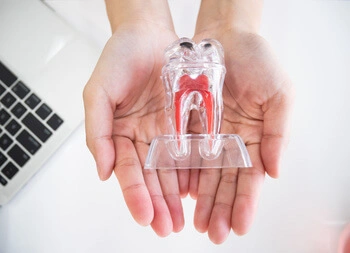
1. Early stage treatment for reversible decay
This is the only phase at which tooth rot can potentially be reversed. The damage is still limited to the enamel and no cavity has formed yet. Treatment focuses on putting minerals back into the tooth rather than drilling anything out.
- Fluoride treatments. A high-concentration varnish, gel or rinse applied at the practice helps remineralise weakened enamel and restore lost minerals. It is quick, painless for most people and often repeated at regular intervals for patients at higher risk of decay.
- Prescription toothpaste. Dentists often recommend a high-fluoride toothpaste for home use to strengthen enamel steadily over time.
- Professional cleaning. A thorough clean removes the plaque and tartar buildup that drives acid production in the first place.
- Dietary adjustments. Reducing sugar intake and cutting out frequent snacking stops further erosion of the enamel.
What this achieves: it halts the progression of decay, strengthens the tooth structure and prevents a cavity from forming. Crucially, no drilling or invasive procedure is required if the problem is caught this early.
2. Dental fillings for moderate decay
Once decay progresses beyond the enamel and forms a cavity, it cannot be reversed. The damaged portion of the tooth has to be removed and the space restored.
The procedure is straightforward. The dentist removes the decayed tissue with specialised instruments, cleans the cavity to eliminate bacteria, and fills the space with a restorative material. Common filling materials include:
- Composite resin. Tooth-coloured and the most commonly used option today.
- Amalgam. Durable, typically used for back teeth.
- Ceramic or porcelain. Generally reserved for larger restorations.
Fillings are needed when there are visible cavities or holes, sensitivity when eating or drinking, or food consistently getting caught in a particular spot. The benefits are practical: a filling restores the function and shape of the tooth, prevents further bacterial spread and provides long-lasting protection. Dental fillings remain the most effective and widely used solution for treating rotted teeth before they reach a severe stage.
3. Root canal treatment for advanced decay
When decay reaches the pulp at the centre of the tooth, it causes infection, inflammation and often significant pain. A simple filling is no longer sufficient at this point.
In root canal treatment, the infected pulp, meaning the nerve and soft tissue, is removed. The inside of the tooth is thoroughly cleaned and disinfected, the root canals are filled and sealed, and a crown is usually placed on top afterwards for strength and protection.
Signs you may need root canal therapy include:
- Persistent or severe tooth pain
- Sensitivity that lingers after eating or drinking
- Swelling around the gums
- A foul taste or dead tooth smell
- Darkening of the tooth
Why it matters: root canal therapy saves the natural tooth from extraction, eliminates the infection and restores normal function. It is often the best option for preserving a severely rotten tooth that would otherwise be lost. For an idea of the general Australian price ranges involved, see our breakdown of root canal cost in Australia.
4. Dental crowns for structural reinforcement
In many moderate to severe cases, particularly after a large filling or a root canal, the remaining tooth structure is weaker than it was. A crown is a custom-made cap placed over the tooth to restore its strength, shape and appearance.
Crowns are commonly recommended after root canal treatment, when a tooth is heavily decayed or cracked, and when large portions of the tooth are missing. The benefits are that they protect the remaining tooth structure, restore full chewing function and improve appearance. Crowns and bridges play a critical role in long-term restoration, especially for back teeth such as molars, which endure the most pressure during chewing.
5. Tooth extraction as a last resort
When a tooth is too damaged to be saved, extraction becomes necessary to prevent the infection spreading to the surrounding teeth and gums.
Extraction may be required where there is severe structural damage, advanced infection or an abscess, bone loss around the tooth, or where previous treatments have failed. Afterwards, a dentist will usually discuss replacement options, which may include dental implants, bridges or partial dentures, depending on the situation and what suits you.
Timely extraction matters because it prevents infection spreading, protects the surrounding teeth and bone, and reduces the risk of longer-term complications. It is typically reserved for cases of severe decay where restoration is no longer viable, and it is always the last option considered rather than the first.
Can Rotten Teeth Heal on Their Own?
No. Rotten teeth do not heal naturally. Early enamel damage can sometimes be reversed with fluoride and improved habits, as described above, but once decay has progressed past that point it requires professional treatment.
Delaying care increases the risk of infection, and ignoring the problem only allows the rot to advance. A cavity that would have taken twenty minutes to fill this year can, left alone, become an infected nerve and a considerably longer course of treatment.
How to Prevent Teeth Rotting
Prevention remains the most effective way to avoid treatment altogether.
Daily habits that matter
- Brush your teeth twice daily with a fluoride toothpaste
- Floss regularly to clean the surfaces a brush cannot reach
- Limit sugary foods and drinks, particularly between meals
- Stay hydrated, which supports healthy saliva flow
Regular dental visits
Routine check-ups detect early decay, prevent it progressing and keep the rest of your oral health on track. Regular check-ups and cleans are the simplest way to stay ahead of problems, because a dentist looking at your teeth under good light with an X-ray to hand will see the beginnings of decay long before you feel anything. Our $135 New Patient Exam and Clean includes an examination, clinical photos, an intraoral scan, X-rays, a scale and clean, fluoride and a treatment plan.
Diet awareness
Reducing sugar intake plays a major role in preventing teeth from rotting. It is worth paying attention to frequency as much as quantity, since every sugary snack or drink restarts the acid cycle in your mouth. Healthdirect has practical general guidance on looking after your teeth.
When Should You See a Dentist?
Seek dental care promptly if you are experiencing any of the following:
- Persistent tooth pain
- Swelling in the gums or face
- A strong bad smell coming from your mouth
- Difficulty eating or chewing
Delaying treatment can lead to more serious complications, including the spread of infection. Footscray Dental Studio provides qualified and experienced dental care for every stage of decay, from preventive treatment through to full restoration, for patients across Footscray, Seddon, Yarraville and the wider inner west. Suitability and results always depend on an individual assessment.
Final Takeaway
Tooth rot is a progressive condition that worsens without proper care. From early symptoms such as sensitivity through to advanced issues including infection and pain, the signs are usually clear once you know what to look for.
Understanding what causes decay, recognising the symptoms early and knowing how to fix rotten teeth puts you back in control of your oral health. The principles are simple enough: act early, maintain good daily habits, and seek professional care when something does not feel right. The tooth you save is almost always the one you had looked at sooner rather than later.