Wisdom tooth pain has a way of arriving at the worst possible moment, and two questions usually follow close behind: what is causing it, and what will it cost to fix? The honest answer to the second question is "it depends", but that does not have to mean flying blind. This guide sets out what the treatment process typically involves, the general cost ranges you can expect across Australia, and the factors that push a bill up or down, so you can plan with realistic numbers rather than guesswork.
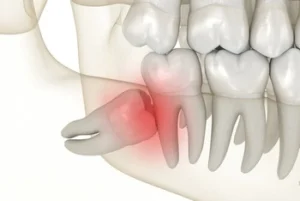
Wisdom teeth, the third molars at the very back of the mouth, usually appear between the late teens and mid twenties. For some people they erupt without fuss; for others they become impacted, partially erupted or decayed, and pain follows. Because the causes vary so widely, so do the treatments and the costs, which range from a simple clean and some short-term medication through to surgical removal under general anaesthetic.
What Is Involved in the Wisdom Tooth Pain Relief Process?
Dentists approach wisdom tooth pain holistically rather than just chasing the symptom. The process usually combines three things: rapid pain relief, a thorough diagnostic examination to identify the root cause, and a comprehensive treatment strategy built on what that examination finds.
Pain Relief Management
The first priority is getting you comfortable. Quick-acting medication helps ease pain caused by inflammation or infection, and an anaesthetic injection in the vicinity of the affected wisdom tooth is a typical short-term approach when pain is acute. The dentist will also clean the area, removing trapped food particles that are often quietly contributing to the pain in the first place. This early relief matters for more than comfort: a calm, settled mouth makes the diagnostic steps that follow easier and more accurate.
Examination to Pinpoint the Cause
Clinical examination. Using a dental mirror, the dentist looks for swelling, redness, signs of pus, and food debris or gum flaps sitting in the gaps around the tooth. This is the essential first diagnostic step before any imaging is considered.
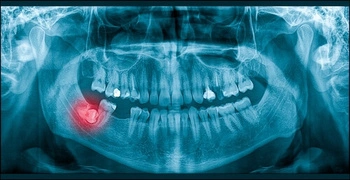
Dental X-rays. When the clinical examination alone cannot explain the pain, imaging steps in. An X-ray captures clear pictures of the affected area, revealing the structure of an impacted tooth, gum infection, and any decay in the wisdom tooth that is hidden from view. The diagnostic results then guide the treatment plan the dentist proposes, which is also the point at which realistic costs can finally be discussed, because the plan determines the price far more than anything else.
Typical Cost Ranges in Australia for Wisdom Tooth Pain Treatment
The figures below reflect typical Australian market ranges, in Australian dollars. They are indicative only, and every individual case varies, but they give a useful sense of scale from simple assessment through to hospital-based surgery. Note that several items often combine in a single course of treatment: an initial consultation plus imaging plus the procedure itself, for example, rather than one flat fee.
- Initial consultation and assessment: $75 to $200
- Standard dental X-ray: $45 to $110
- Panoramic (OPG) imaging: $100 to $150
- 3D or CBCT imaging, where required: $150 to $250 or more
- Non-surgical management (monitoring, infection control, pain management): $150 to $500
- Simple extraction of a fully erupted tooth under local anaesthetic: $200 to $600 per tooth
- Surgical extraction of a partially erupted or impacted tooth under local anaesthetic: $400 to $1,200 or more per tooth
- IV or conscious sedation, where required: $300 to $1,000 or more
- Hospital-based extraction under general anaesthetic: $1,500 to $4,000 or more in total, depending on the number of teeth and case complexity
As you can see, the spread is wide. A single visit for assessment and pain management sits at one end, while complex surgery in a hospital theatre sits at the other, which is why an examination is always the first step toward an accurate figure. For comparison with another commonly quoted procedure, see our guide to root canal costs in Australia.
Factors Affecting the Cost of Wisdom Tooth Pain Treatment
1. Diagnostic Requirements
A clinical examination is often sufficient on its own. When it is not, diagnostic imaging is added, and the type of imaging affects the bill. Standard X-rays satisfy most diagnostic needs, while advanced imaging such as an OPG is employed when a clearer view of tooth structure and the surrounding tissue is required, and it carries a higher price tag than a standard X-ray.
2. Location of the Dental Clinic
Geography plays a significant role in treatment expenses. Clinics in metropolitan cities like Melbourne generally command a price premium, while practices in regional areas tend to have lower overheads and lower fees. The same procedure can carry noticeably different prices depending on the postcode, so it is always reasonable to ask for an itemised quote and compare it against typical ranges before going ahead.
3. Tooth Location
Wisdom teeth erupting at the very back of the gum line present greater complexity. Hard-to-reach positions demand a higher level of expertise to treat safely and effectively, and that difficulty is reflected in the overall treatment cost. A tooth angled toward its neighbour, sitting close to a nerve or only partially through the gum simply takes more time, more planning and more skill to manage than one that has erupted cleanly.
4. Expertise of the Dentist or Surgeon
More experienced clinicians, and specialist oral surgeons in particular, generally charge more. Complex cases, such as multiple gum flaps or decay spreading into the surrounding tissues, warrant those higher fees, and surgeon involvement is appropriate when the severity of the case calls for it.
5. Type of Treatment
This is the most decisive cost factor of all, and it depends entirely on the nature of the dental problem. Simple cases involving minor discomfort or mild inflammation need only basic-level care, such as cleaning and temporary medication, with a modest cost impact. Complex cases involving severe decay that requires surgery or extraction elevate the total cost substantially. In other words, the earlier a problem is caught, the more likely it is to sit at the affordable end of the ranges above, which is a strong financial argument for prompt assessment quite apart from the comfort one.
Does Private Health Insurance Cover Wisdom Tooth Treatment?
Private health insurance can relieve a meaningful share of the cost burden for wisdom tooth treatment in Australia, typically covering a portion of the total expense. How much depends on your policy type, so checking your insurance conditions before proceeding is essential rather than optional. A quick phone call to your fund with the proposed item numbers in hand will usually tell you exactly what rebate to expect.
Out-of-Pocket Expectations
Even with insurance, it is wise to prepare for some out-of-pocket contribution. Common gaps include upfront fees that exceed what your policy covers, separate billing for advanced imaging, surgery and anaesthesia, and expenses that surpass your annual insurance limits. Asking for an itemised estimate in advance keeps surprises to a minimum, and it also gives you something concrete to check with your health fund before the day of treatment.
The Role of Superannuation in Treatment Costs
Patients who face a shortfall in upfront fees have one further avenue: applying to the Australian Taxation Office (ATO) for early release of superannuation on compassionate grounds. Where approved, superannuation funds can be applied toward dental treatment expenses. It is a significant financial decision with long-term consequences for your retirement savings, so weigh it carefully, understand the eligibility criteria, and seek independent financial advice where needed. For most people it is a last resort after insurance, payment plans and staged treatment have been explored.
When to Seek a Dentist for Wisdom Tooth Pain
Wisdom tooth pain oscillates between the entirely normal and the genuinely urgent. Mild irritation as a tooth erupts may settle on its own, and our guide to tooth pain relief covers sensible short-term measures. But persistent pain with increasing intensity warrants expert help. Watch for these four indicators:
1. Persistent Pain
Recurring pain around the back of the mouth points to the possibility of swelling or infection rather than simple eruption discomfort, and it deserves assessment rather than another week of painkillers. Pain that keeps returning to the same spot is your body flagging a problem that has not resolved.
2. Swelling
Swollen gums, or swelling in the jaw or cheek in the vicinity of a wisdom tooth, is a sign that something more than routine eruption is going on and warrants professional assessment, particularly if the swelling is warm, tender or growing.
3. Difficulty Opening the Mouth
When pain reaches an advanced level it can physically hinder smooth mouth opening. This often suggests pus is present in the gum around the wisdom tooth, which needs prompt attention. Restricted jaw opening should never be waited out at home, because infections in this area can spread if ignored.
4. Pain Affecting Sleep or Eating
Pain that interferes with normal eating, speaking or sleeping has moved beyond the wait-and-see stage and indicates the need for urgent professional care. Losing sleep to dental pain is also a practical problem in itself, since fatigue lowers your pain tolerance and makes the whole situation feel worse.
Getting Wisdom Tooth Pain Assessed in Footscray
If wisdom tooth pain is troubling you, the most valuable first step is a proper examination to identify the underlying cause. At Footscray Dental Studio on Barkly St, our $135 New Patient Exam and Clean includes a full examination, digital X-rays, clinical photos and an intraoral scan, which is exactly the diagnostic groundwork a sore wisdom tooth needs. When pain is severe or sudden, our emergency dentistry appointments focus on relieving pain and controlling infection quickly. Where assessment shows that removal is the appropriate path, extraction is typically performed by a dentist or oral surgeon who provides that treatment, and your dentist can discuss the appropriate next steps for your individual case. We see patients from across Footscray and the inner west, including Yarraville, Seddon and Maribyrnong, and the aim is always the same: find the cause, relieve the pain and give you a clear, written picture of what any further treatment would involve and cost before you commit to anything.
Frequently Asked Questions About Wisdom Tooth Pain
How long does wisdom tooth pain last?
Pain duration ranges from a few days to several weeks depending on the cause and severity. Mild irritation from a tooth erupting may resolve on its own, but pain linked to infection, impaction or decay tends to persist or worsen without treatment. A dental assessment is recommended if pain does not improve within a few days or intensifies.
How can I get rid of wisdom tooth pain?
Start with good oral hygiene around the area, warm saltwater rinses and pain relief recommended by a dentist or pharmacist. These measures buy comfort, not a cure, so seek professional dental treatment if the pain persists or worsens. Only addressing the underlying cause, whether that is trapped debris, infection, decay or impaction, actually resolves the problem.
How much does it usually cost to treat wisdom tooth pain in Australia?
Costs vary with the underlying cause and the treatment approach. Management ranges from lower-cost consultations and imaging through to higher-cost surgical removal in complex cases. A dental assessment is needed to determine the appropriate option and the fees that go with it.
Is wisdom tooth pain treatment cheaper if the tooth does not need to be removed?
Yes, in many cases. Non-surgical management, such as monitoring, infection control and pain relief strategies, generally involves lower costs than surgical extraction. Whether that path is suitable depends on the clinical findings and how symptoms progress.
Why do wisdom tooth removal costs vary so much between patients?
Tooth position, the level of impaction, proximity to nerves, the type of anaesthesia used and the treatment setting (clinic versus hospital) all differ from patient to patient. Each of these variables influences procedure time, the expertise required and facility fees.
Does private health insurance reduce the cost of wisdom tooth treatment?
It may contribute toward costs depending on your policy. Extras cover often applies to in-clinic dental treatment, while hospital cover may apply to procedures performed under general anaesthesia. Waiting periods, annual limits and out-of-pocket expenses commonly still apply.
Are hospital-based wisdom tooth procedures always more expensive?
Hospital-based treatment typically falls into the higher cost range, since theatre fees and anaesthesia add to the expense. It is usually recommended only when clinical complexity or medical factors make in-clinic treatment less suitable.
Can I get an exact quote for wisdom tooth pain treatment online?
No. Online pricing is indicative only. An accurate cost estimate can only be provided after a dental examination, with diagnostic imaging if required, because the position and condition of the tooth drive the price. After the examination, dentists typically supply a written treatment plan outlining the expected fees so you can decide with full information.
What happens if I delay assessment for wisdom tooth pain?
Symptoms may persist or worsen over time, and a problem that could have been managed conservatively can progress to needing more complex treatment. Early evaluation helps identify whether conservative management is appropriate or whether further care is needed.
Do all cases of wisdom tooth pain require surgery?
No. Some cases are managed without extraction, particularly when symptoms are mild or temporary. Treatment decisions rest on clinical assessment, symptom severity and the risk of future complications, so a sore wisdom tooth is a reason for an examination, not an automatic ticket to the surgery chair.